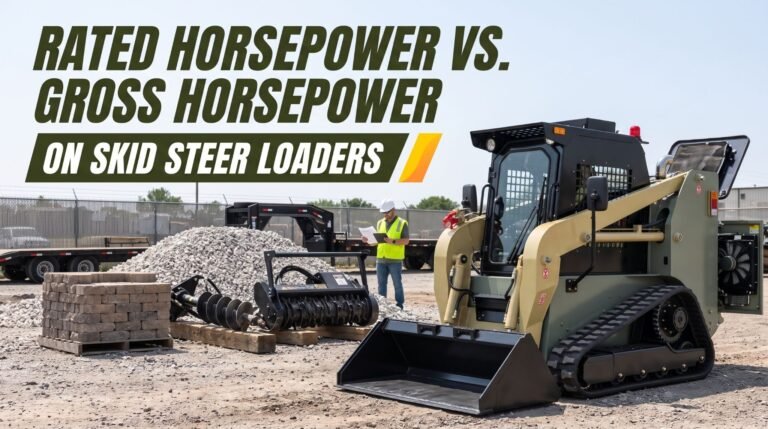
Rated Horsepower vs. Gross Horsepower on Skid Steer Loaders
|

Rated Horsepower vs. Gross Horsepower on Skid Steer Loaders

Horsepower is often the first number buyers look for on a skid steer specification sheet, and it is one of the easiest to misread. A brochure may list gross horsepower. A competing brochure may show rated horsepower, and a third may publish net power. These figures can look directly comparable, but they often describe different…
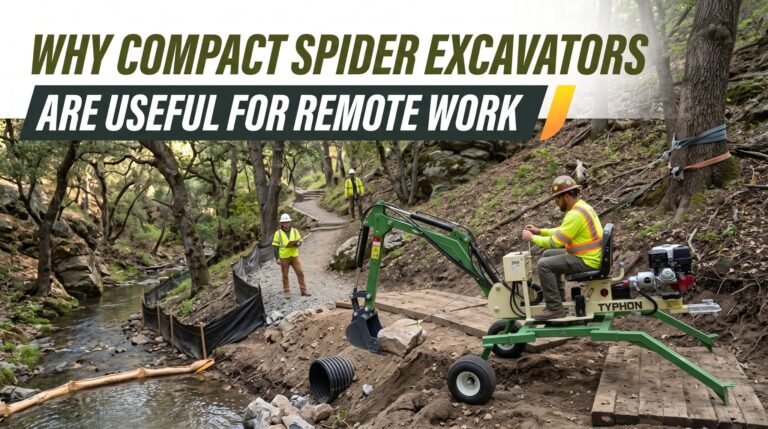
Why Compact Spider Excavators Are Useful for Remote Work
|

Why Compact Spider Excavators Are Useful for Remote Work

Remote drainage repairs and infrastructure projects often take place on steep slopes, wooded trails, and sites far from established access roads. Conventional excavators may struggle to navigate narrow switchbacks, uneven ground, and restricted entrances, while manual digging can increase labor demands and delay urgent repairs. Compact spider excavators provide an alternative for reaching difficult work…

The Hydraulic Partnership
|

The Hydraulic Partnership

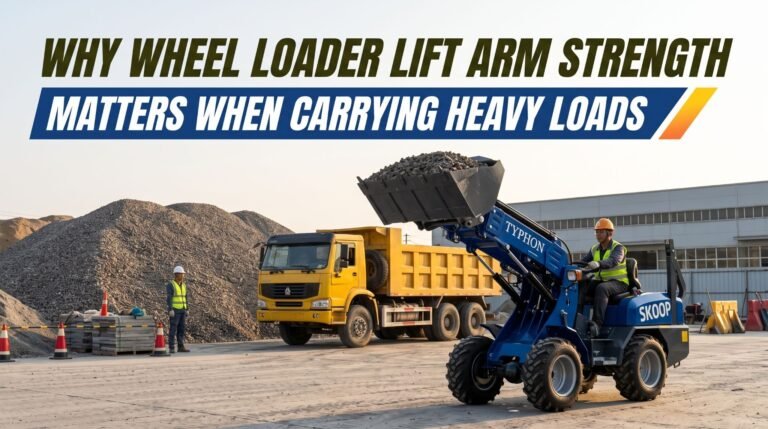
Why Wheel Loader Lift Arm Strength Matters When Carrying Heavy Loads Ask any operator what makes a wheel loader dependable, and the answer usually comes back to power and capacity. Yet beneath those headline figures sits a quieter, more fundamental truth: the machine can only carry what its lift arms can hold. Those arms are…

Why Compact Excavator Engine Displacement Matters for Performance
|

Why Compact Excavator Engine Displacement Matters for Performance

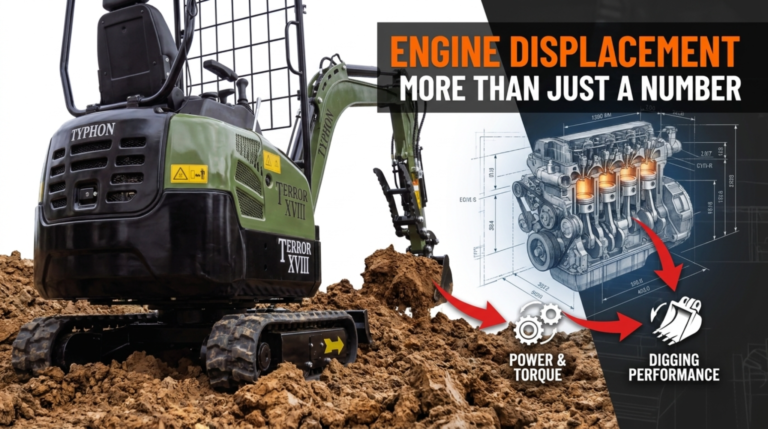
Why Engine Displacement Matters in a Compact Excavator Buyers shopping for a compact excavator often focus on dig depth, weight, and lift capacity, yet engine displacement quietly shapes how well the machine performs every one of those tasks. Displacement, measured in liters or cubic centimeters, is the total volume the engine’s cylinders sweep as they…

|

Forklift wheel maintenance

How to Maintain Forklift Wheels for Safer, Smoother Operation Forklift wheels take a beating every single shift, yet they’re easy to overlook until something goes wrong. Worn or damaged wheels don’t just make the ride rough; they compromise stability, traction, and control, putting both your operators and your loads at risk. The good news is…

Signs of Scissor Lift Heat Damage
|

Signs of Scissor Lift Heat Damage

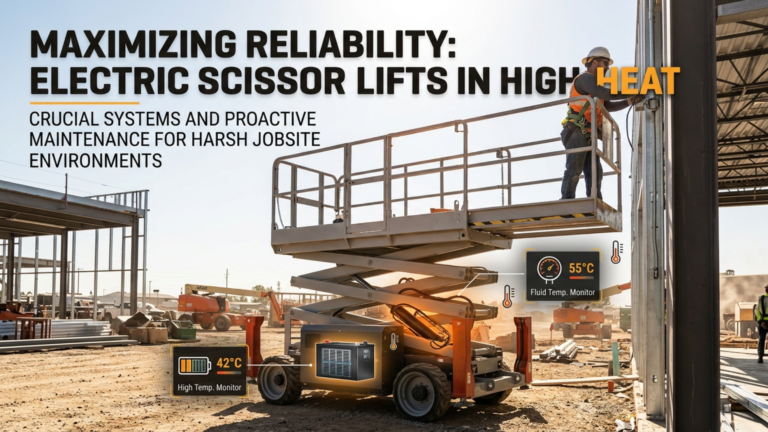
How Heat Affects Scissor Lift Batteries and Hydraulics Heat is one of the most underestimated threats to a scissor lift’s performance. On a hot day, the same machine that runs flawlessly in mild conditions can lose lifting power, drain its batteries faster, and wear out components sooner than expected. Two systems bear the brunt of…

Benefits of Hydraulic vs Non-Hydraulic Skid Steer Attachments
|

Benefits of Hydraulic vs Non-Hydraulic Skid Steer Attachments

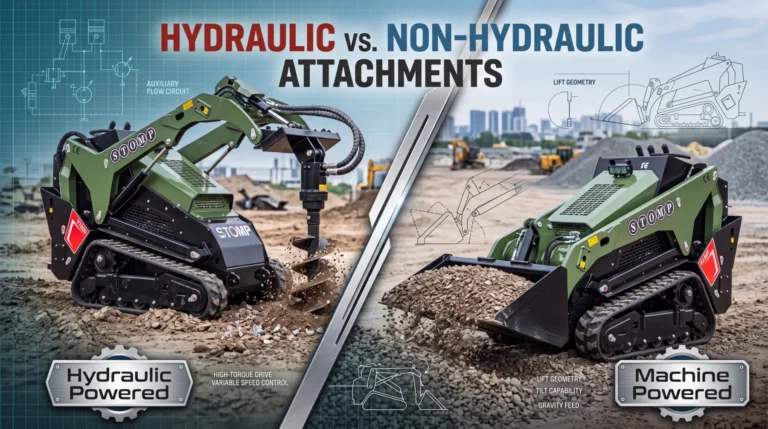
Hydraulic vs. Non-Hydraulic Skid Steer Attachments: What’s the Difference? Attachments are what turn a skid steer from a single machine into a whole fleet of tools, but not all of them work the same way. Some rely on the machine’s hydraulic system to power moving parts, while others simply use the machine’s motion and lifting…

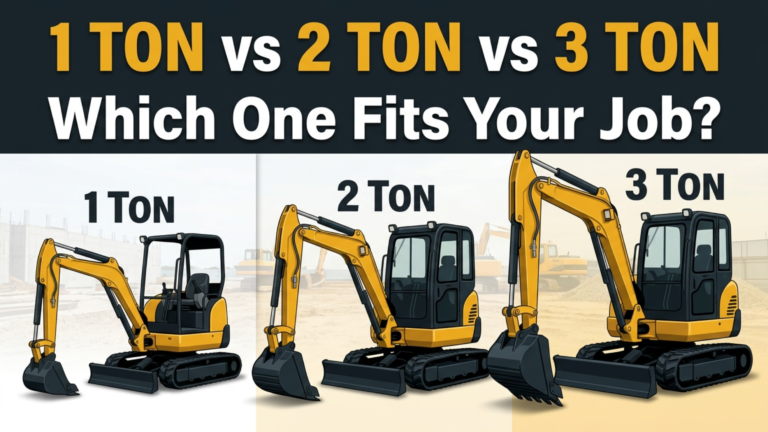
Compact Excavators: 1 Ton vs 2 Ton vs 3 Ton, Which One Fits Your Job?
|

Compact Excavators: 1 Ton vs 2 Ton vs 3 Ton, Which One Fits Your Job?

Compact Excavator Buying Guide: 7 Key Factors for Choosing the Best Mini Excavator Choosing the wrong size compact excavator quietly costs you money, whether through a machine that struggles under the workload or one too big to reach where the work actually happens. Compact excavators in the 1-ton, 2-ton, and 3-ton range each occupy a…

End of content

End of content