Why Compact Spider Excavators Are Useful for Remote Work

Why Compact Spider Excavators Are Useful for Remote Work

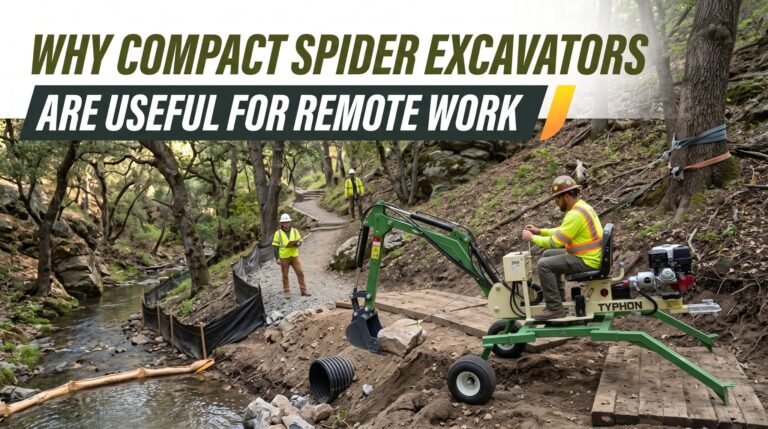
Remote drainage repairs and infrastructure projects often take place on steep slopes, wooded trails, and sites far from established access roads. Conventional excavators may struggle to navigate narrow switchbacks, uneven ground, and restricted entrances, while manual digging can increase labor demands and delay urgent repairs. Compact spider excavators provide an alternative for reaching difficult work…
Why Compact Excavator Engine Displacement Matters for Performance

Why Compact Excavator Engine Displacement Matters for Performance

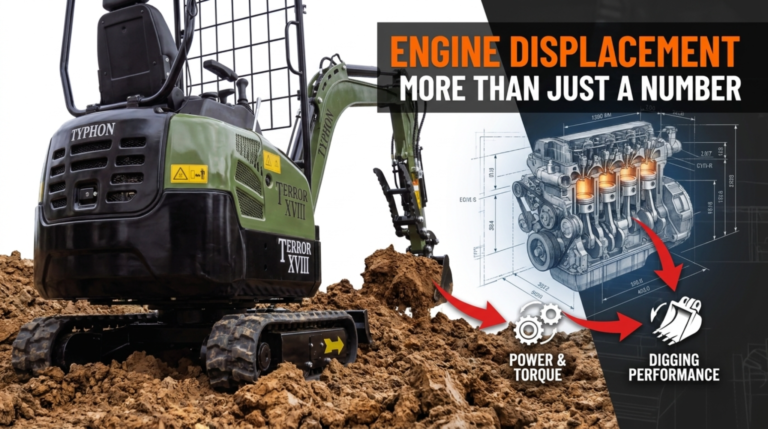
Why Engine Displacement Matters in a Compact Excavator Buyers shopping for a compact excavator often focus on dig depth, weight, and lift capacity, yet engine displacement quietly shapes how well the machine performs every one of those tasks. Displacement, measured in liters or cubic centimeters, is the total volume the engine’s cylinders sweep as they…

Forklift wheel maintenance

How to Maintain Forklift Wheels for Safer, Smoother Operation Forklift wheels take a beating every single shift, yet they’re easy to overlook until something goes wrong. Worn or damaged wheels don’t just make the ride rough; they compromise stability, traction, and control, putting both your operators and your loads at risk. The good news is…

Signs of Scissor Lift Heat Damage

Signs of Scissor Lift Heat Damage

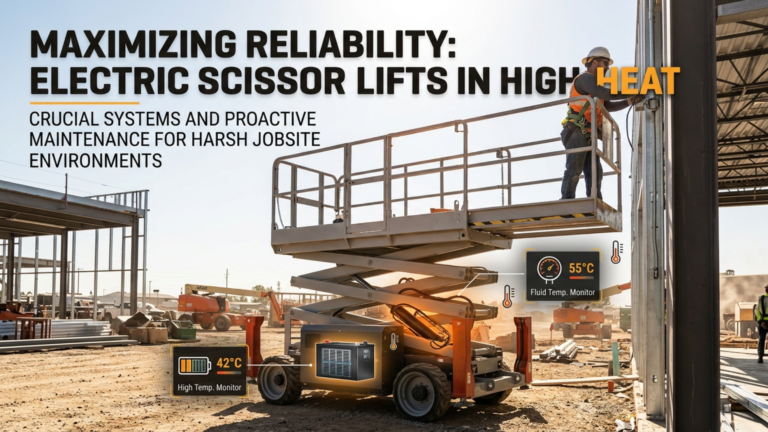
How Heat Affects Scissor Lift Batteries and Hydraulics Heat is one of the most underestimated threats to a scissor lift’s performance. On a hot day, the same machine that runs flawlessly in mild conditions can lose lifting power, drain its batteries faster, and wear out components sooner than expected. Two systems bear the brunt of…

Benefits of Hydraulic vs Non-Hydraulic Skid Steer Attachments

Benefits of Hydraulic vs Non-Hydraulic Skid Steer Attachments

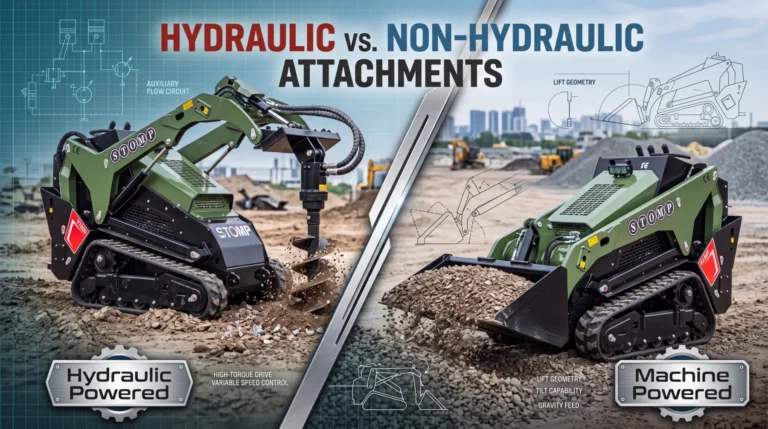
Hydraulic vs. Non-Hydraulic Skid Steer Attachments: What’s the Difference? Attachments are what turn a skid steer from a single machine into a whole fleet of tools, but not all of them work the same way. Some rely on the machine’s hydraulic system to power moving parts, while others simply use the machine’s motion and lifting…

Compact Excavators: 1 Ton vs 2 Ton vs 3 Ton, Which One Fits Your Job?

Compact Excavators: 1 Ton vs 2 Ton vs 3 Ton, Which One Fits Your Job?

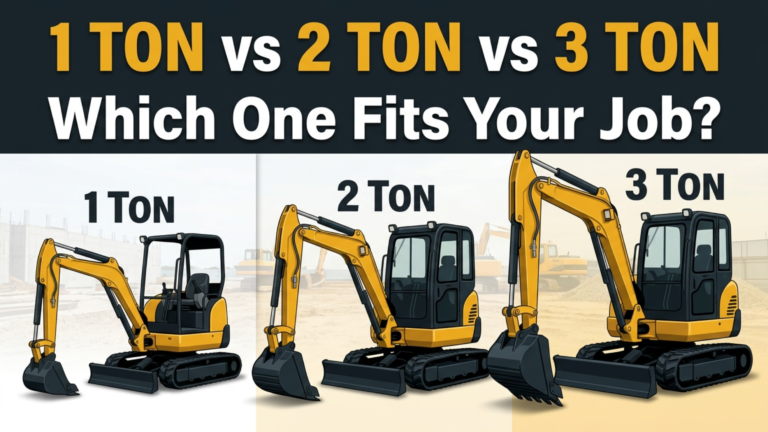
Compact Excavator Buying Guide: 7 Key Factors for Choosing the Best Mini Excavator Choosing the wrong size compact excavator quietly costs you money, whether through a machine that struggles under the workload or one too big to reach where the work actually happens. Compact excavators in the 1-ton, 2-ton, and 3-ton range each occupy a…

wheel loader specifications

wheel loader specifications

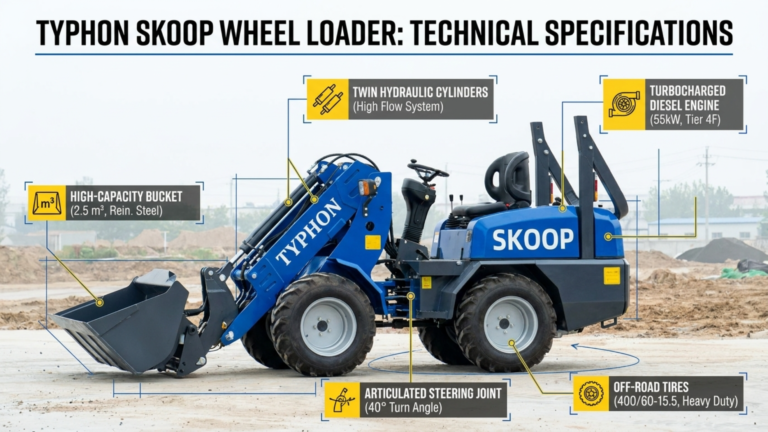
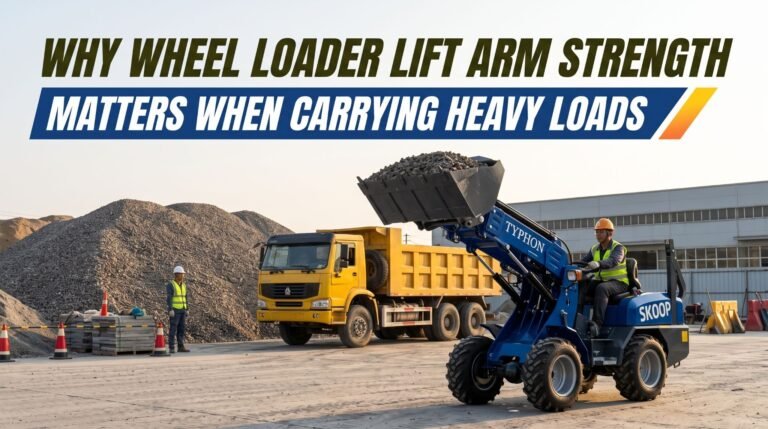
Wheel Loader Mechanics: Mastering Technical Metrics A wheel loader spec sheet is packed with numbers, and each one tells you something important about how the machine will perform on your job site. Yet many buyers and operators skim past those figures, focusing only on horsepower or bucket size while overlooking the metrics that actually determine…

End of content

End of content