

Beginner’s Guide to Operating a Skid Steer
Operating heavy machinery requires focus, respect for the equipment, and proper training. When you step into the cab of a skid steer for the first time, the array of controls and the sheer power of the machine can feel intimidating. However, mastering this versatile equipment provides a massive advantage on any job site. We know that building confidence through proper instruction leads to a safer, more productive work environment.
A well-trained operator protects your equipment investment and ensures the safety of everyone on the crew. Operating a skid steer efficiently goes beyond simply pushing levers; it requires a deep understanding of machine dynamics and site awareness. This guide delivers clear, step-by-step instructions designed specifically for new operators.
You will learn how to conduct essential pre-operation safety checks, navigate the fundamental controls, and execute basic movements. We will also detail the most common beginner mistakes and exactly how to avoid them. By mastering these foundational skills, you will operate your skid steer with confidence and authority.

Prioritizing Safety: The Pre-Operation Inspection
Professional operators never start an engine without thoroughly inspecting their equipment. Skipping the daily walkaround severely compromises the reliability of your machine and puts your crew at risk. A rigorous pre-operation inspection prevents catastrophic failures and ensures your equipment performs exactly as expected.
Conducting the Visual Walkaround
Begin your shift by walking a complete circle around the parked skid steer. Look closely at the tires or rubber tracks. For wheeled machines, verify that the tires hold the correct air pressure and lack deep gouges. For track loaders, inspect the rubber tracks for excessive wear, proper tension, and debris lodged in the undercarriage.
Next, examine the attachment secured to the front of the machine. Verify that the locking pins engage fully, holding the bucket or fork attachment tightly to the mounting plate. Finally, look underneath the machine for any signs of pooling fluids. A puddle of hydraulic fluid or engine oil indicates a dangerous leak that requires immediate mechanical service.
Checking Vital Fluid Levels
Heavy equipment relies on clean, adequate fluids to function safely under extreme pressure. Open the rear tailgate and check the engine oil dipstick to ensure the oil sits above the minimum fill line. Locate the hydraulic fluid sight glass and verify the system holds enough fluid to power the heavy lifting arms.
Check the engine coolant levels before you turn the machine on, while the engine remains completely cold. Never remove a radiator cap from a hot engine. Maintaining proper fluid levels guarantees your skid steer runs efficiently and prevents expensive internal damage that causes costly project delays.
Evaluating the Job Site Surroundings
Machine safety extends directly to the environment where you operate. Before climbing into the cab, identify any potential hazards in your immediate working area. Look up to spot low-hanging power lines, tree branches, or structural roof overhangs that could interfere with your lifting arms.
Inspect the ground for dangerous drop-offs, hidden trenches, or extremely soft mud that could cause the machine to sink. Note the location of your coworkers and establish clear communication signals. We strongly recommend making eye contact with nearby pedestrians before moving the machine to ensure a safe, coordinated work zone.

Entering the Cab and Starting the Machine
Entering a skid steer correctly sets the tone for a professional, safe shift. The process requires specific movements to prevent slips, falls, and accidental control engagement.
Mastering the Three Points of Contact
Never jump into or out of a skid steer cab. Always face the machine and maintain three points of contact. Keep two hands firmly gripped on the grab handles and one foot planted on the designated non-slip step. Alternatively, keep two feet securely on the steps and one hand on a handle.
Climb over the attachment slowly and settle directly into the operator’s seat. Once seated, you must pull down the safety lap bar. Modern skid steers feature hydraulic interlock systems connected to this bar. The machine will not start, and the controls will not move, until you lower the bar and buckle your heavy-duty seatbelt securely.
The Ignition Sequence
With your safety restraints engaged, you can safely start the machine. Turn the ignition key or press the push-button start to activate the electrical systems. Listen for the electronic beep indicating the system is ready, then crank the engine.
Let the engine idle for at least three to five minutes before moving. This warmup period allows the engine oil and hydraulic fluid to reach their optimal operating temperatures. Cold hydraulic fluid moves sluggishly and places unnecessary strain on the pump systems. Patiently waiting for the machine to warm up extends the life of your equipment and guarantees reliable performance.
Understanding the Basic Controls
Manufacturers design skid steer controls to act as an extension of the operator’s hands. While older machines use standard hand-and-foot levers, modern equipment typically utilizes advanced joystick systems. We will focus on the popular ISO joystick pattern, which dominates modern equipment fleets.
Navigating Movement and Steering
In the ISO control pattern, your left hand completely controls the movement of the machine. Pushing the left joystick forward causes the skid steer to drive straight ahead. Pulling the joystick backward moves the machine in reverse.
To steer, you move the left joystick side to side. Pushing the stick to the left makes the machine turn left, while pushing it right turns the machine right. Because skid steers lack a traditional steering axle, they turn by driving the wheels or tracks on one side faster than the other. This “skidding” motion gives the machine its name and allows it to turn around completely within its own footprint.
Operating the Boom and Bucket
Your right hand controls the heavy lifting. The right joystick operates the loader arms (the boom) and the attachment (the bucket). Pulling the right joystick straight back toward you raises the loader arms into the air. Pushing the joystick straight forward lowers the arms back down to the ground.
Moving the right joystick side to side controls the tilt of the bucket. Moving the stick to the right “dumps” the bucket, tilting the front edge downward to release dirt or gravel. Moving the stick to the left “curls” the bucket upward, allowing you to scoop and hold materials securely.
Fundamental Operational Techniques
Operating a skid steer effectively requires a smooth touch. Beginners often make the mistake of jerking the controls, resulting in a violent, uncomfortable ride. Practice these fundamental techniques to become a highly competent operator.
Smooth Starting and Stopping
Treat the joysticks with respect. Slowly ease the left joystick forward to begin moving. Pushing the stick all the way forward instantly will cause the machine to lurch violently, potentially throwing materials out of your bucket.
When you need to stop, do not let go of the joystick suddenly. The machine’s hydrostatic transmission will halt the equipment abruptly, causing severe physical jarring. Instead, gently guide the joystick back to the neutral center position. Smooth, deliberate movements protect the machine’s hydraulic components and reduce operator fatigue.
Traveling Safely with a Load
Whenever you drive the skid steer, you must keep the heavy bucket as low to the ground as safely possible. We recommend carrying your load just a few inches above the soil. Keeping the weight low lowers the machine’s center of gravity, drastically improving your stability.
Never drive across the face of a steep slope. Traveling horizontally across a hill invites a dangerous sideways rollover. Always drive straight up and straight down inclines. When carrying a heavy load, keep the heavy end pointing uphill. Drive forward up the hill, and back down the hill in reverse to maintain perfect balance.
Avoiding Common Beginner Mistakes
Even the most careful beginners face a steep learning curve. Anticipating common errors helps you avoid them entirely, keeping your site safe and your operations highly efficient.
Overloading the Machine
Every skid steer features a specific Rated Operating Capacity (ROC). This number indicates the maximum weight the machine can safely lift. Beginners frequently attempt to lift loads that exceed this limit, causing the machine to tip forward violently on its front wheels.
Always know the weight of the materials you intend to lift. If you need to move a massive pallet of concrete blocks, verify that your machine has the necessary ROC. Pushing a machine past its limits damages the hydraulic cylinders and creates a severe safety hazard for everyone nearby. Rely on properly sized equipment to handle heavy loads with confidence and authority.
Lifting on Uneven Ground
You must only lift heavy materials when the skid steer sits on perfectly flat, stable ground. Raising the boom high into the air completely shifts the machine’s center of gravity upward. If you lift a load while parked on a slant or resting on soft mud, the machine can easily tip over.
Prepare your loading zone before you begin lifting. Use the bucket to grade a flat, level pad for your machine to sit on. When you prioritize a stable foundation, you ensure the machine performs exactly as designed, providing a secure, reliable lift every single time.
Commit to Continuous Improvement
Mastering a skid steer does not happen overnight. It requires patience, dedicated practice, and a strong commitment to safety protocols. By respecting the machine, performing diligent daily checks, and utilizing smooth control inputs, you build a foundation of absolute reliability. We encourage all new operators to spend time practicing in an open, obstacle-free area before tackling demanding site tasks. When you prioritize continuous learning and proper technique, you transform yourself into an invaluable asset to any professional construction crew.
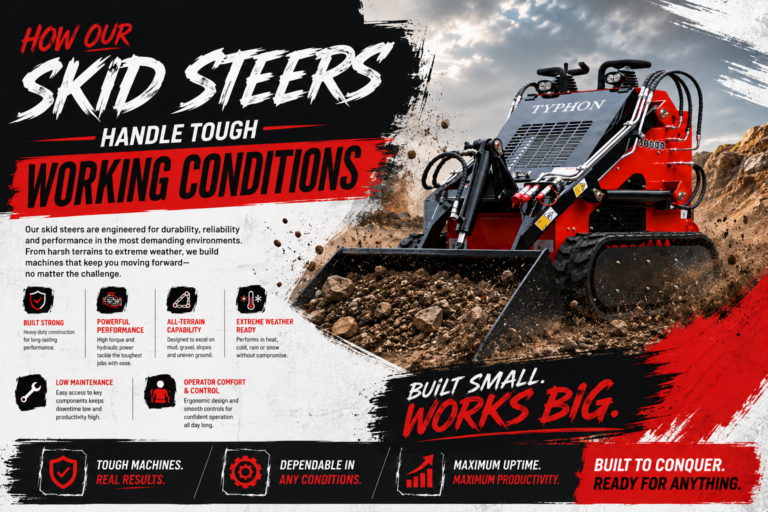

Where can i buy this machine
you can buy it directly on this website.